


Blog
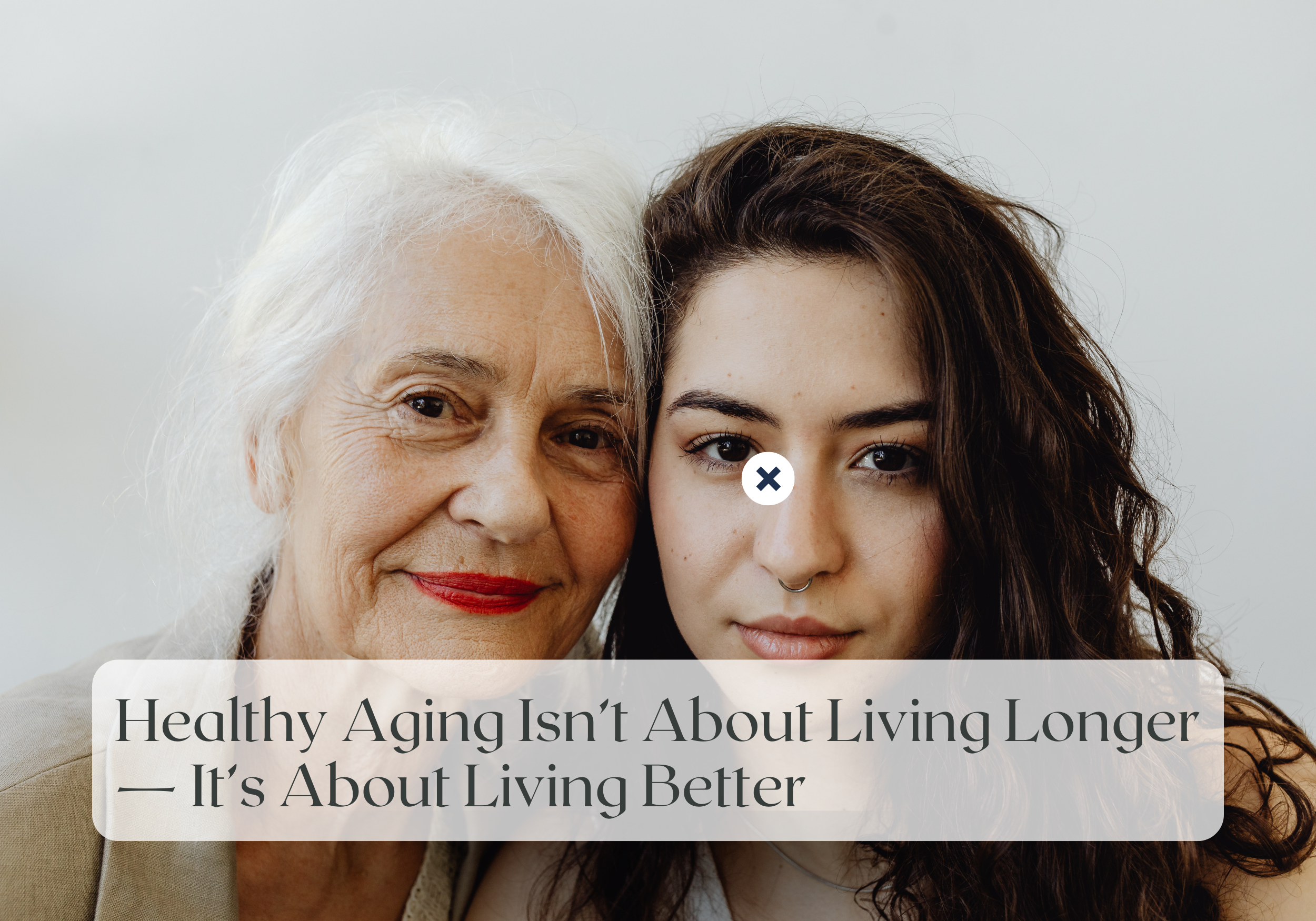
Wellness Wednesday: Healthy Aging Isn’t About Living Longer — It’s About Living Better
Healthy aging is about far more than living longer. It’s about maintaining strength, mobility, cognition, independence, and the energy to fully participate in life as the years progress. This article breaks down the evidence-based habits that support long-term wellness and explains why consistency—not perfection—is one of the most powerful tools for aging well.

Wellness Wednesday: Childhood Obesity Prevention Starts With Family Habits, Not Perfection
Preventing childhood obesity isn’t about perfect meals, strict diets, or making kids feel guilty about food. It’s about building realistic family habits that support movement, balanced nutrition, sleep, and a healthy relationship with eating over time. This article breaks down compassionate, practical strategies families can use to improve long-term health—one small habit at a time.

Wellness Wednesday: The Symptoms of Ovarian Cancer Women Should Never Ignore
Ovarian cancer symptoms are often subtle and easy to overlook, which is why awareness matters. Persistent bloating, pelvic discomfort, appetite changes, and urinary symptoms may seem minor at first, but ongoing changes in the body deserve attention. This article breaks down the signs women should never ignore, explains why ovarian cancer can be difficult to detect early, and highlights the importance of self-advocacy and proactive healthcare conversations.

Wellness Wednesday: Why Consistency Beats Perfection Every Time
You don’t need perfect workouts or flawless discipline to make progress. In fact, one of the biggest reasons people fall off track is believing that anything less than “all in” doesn’t count. This article explores why avoiding 0% weeks may be one of the most important mindset shifts for long-term health, fitness, and sustainable consistency.

Wellness Wednesday: How Vaccines Work — And How They Changed Public Health Forever
Vaccines have helped reshape global public health by reducing the spread of infectious disease and protecting vulnerable populations—but many people still don’t fully understand how they work. This article breaks down vaccine science, immune memory, herd immunity, and the history of vaccination in a clear, evidence-based way designed to improve health literacy without overwhelming medical jargon.
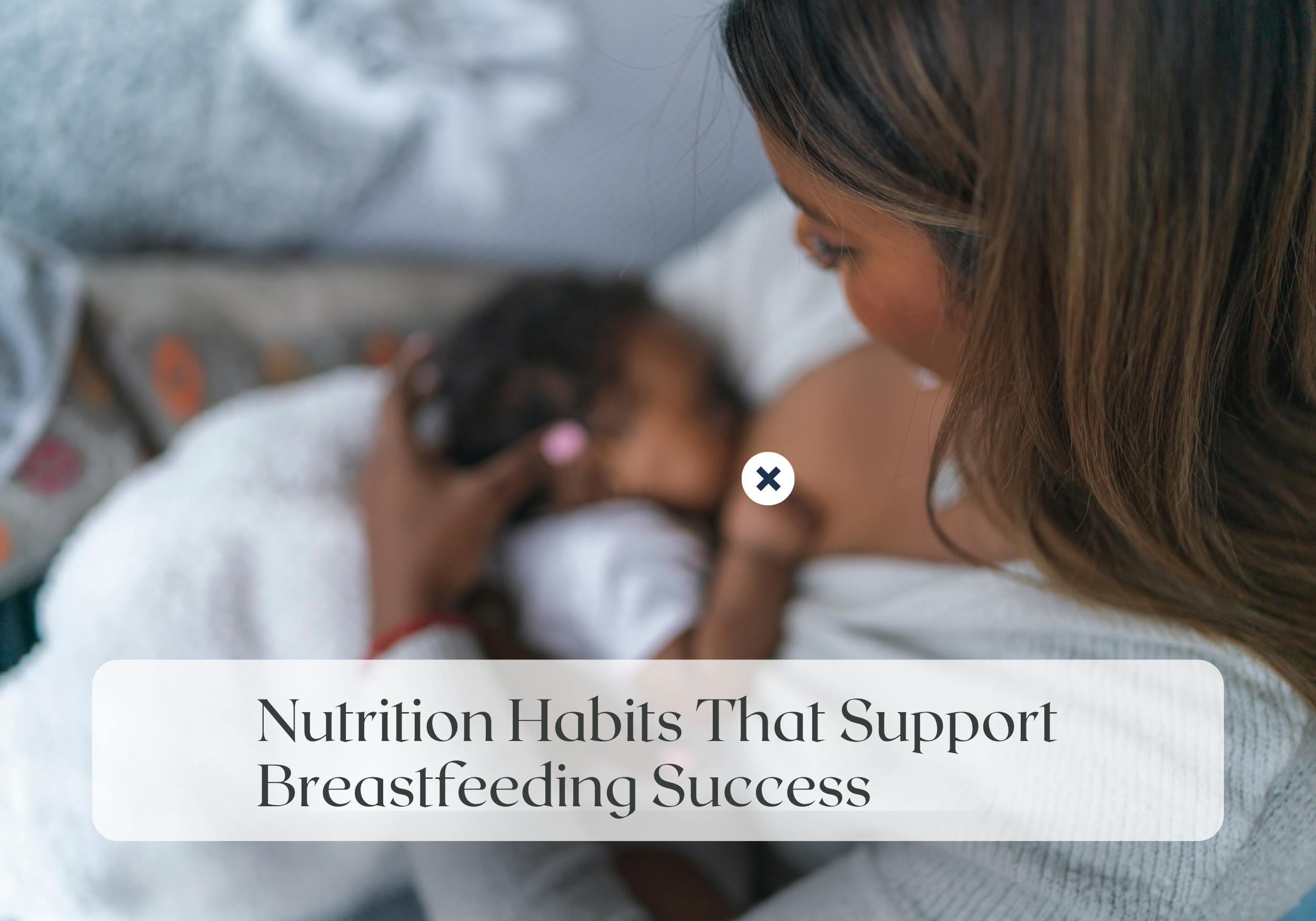
Wellness Wednesday: Nutrition Habits That Support Breastfeeding Success
Breastfeeding nutrition is about more than increasing milk supply. Sleep disruption, recovery demands, hydration, stress, and inconsistent eating can all affect how mothers feel during postpartum life. This article breaks down realistic nutrition habits that support energy, recovery, hydration, and resilience—without restrictive dieting or overwhelming meal prep.
Wellness Wednesday: The Missing Piece in Breastfeeding Support
Breastfeeding support often focuses entirely on the baby—but what about the mother’s recovery? This article explores how sleep deprivation, stress, nutrient depletion, nervous system overload, and inadequate postpartum support can shape breastfeeding experiences, and why caring for yourself postpartum is not selfish—it’s foundational.

Wellness Wednesday: Preparing Your Body for Breastfeeding Before Baby Arrives
Breastfeeding preparation doesn’t begin in the hospital—it starts during pregnancy. From nutrition and hydration to movement, sleep, and postpartum planning, small prenatal habits can help support recovery and reduce overwhelm after baby arrives. This article breaks down realistic, evidence-based ways to prepare your body and your environment for the demands of postpartum life—without the pressure of doing everything perfectly.

Wellness Wednesday: Why Minority Communities Face Higher Risks
Chronic diseases like diabetes, hypertension, and heart disease don’t affect all communities equally. This article breaks down the data behind these disparities, explores the environmental and systemic factors driving them, and provides practical strategies—including a preventive screening checklist—to help reduce risk and support long-term health.
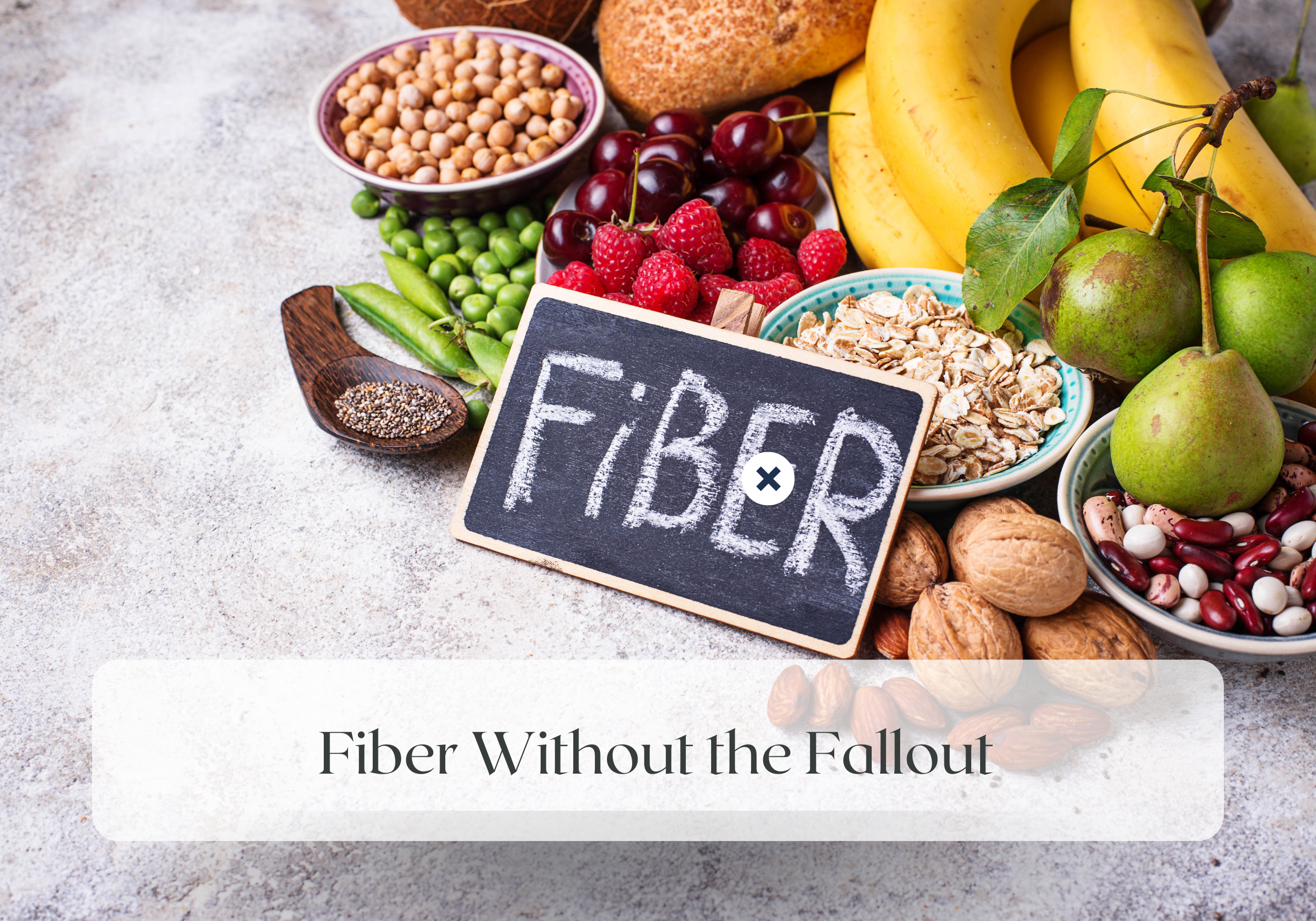
Wellness Wednesday: Fiber Without the Fallout
Adding more fiber to your diet is one of the most effective ways to improve your health—but increasing it too quickly can lead to bloating, discomfort, and digestive issues. This article explains why your body needs time to adjust, how hydration plays a key role, and simple, practical steps to increase fiber gradually while avoiding common pitfalls.