


Blog

Wellness Wednesday: Childhood Obesity Prevention Starts With Family Habits, Not Perfection
Preventing childhood obesity isn’t about perfect meals, strict diets, or making kids feel guilty about food. It’s about building realistic family habits that support movement, balanced nutrition, sleep, and a healthy relationship with eating over time. This article breaks down compassionate, practical strategies families can use to improve long-term health—one small habit at a time.
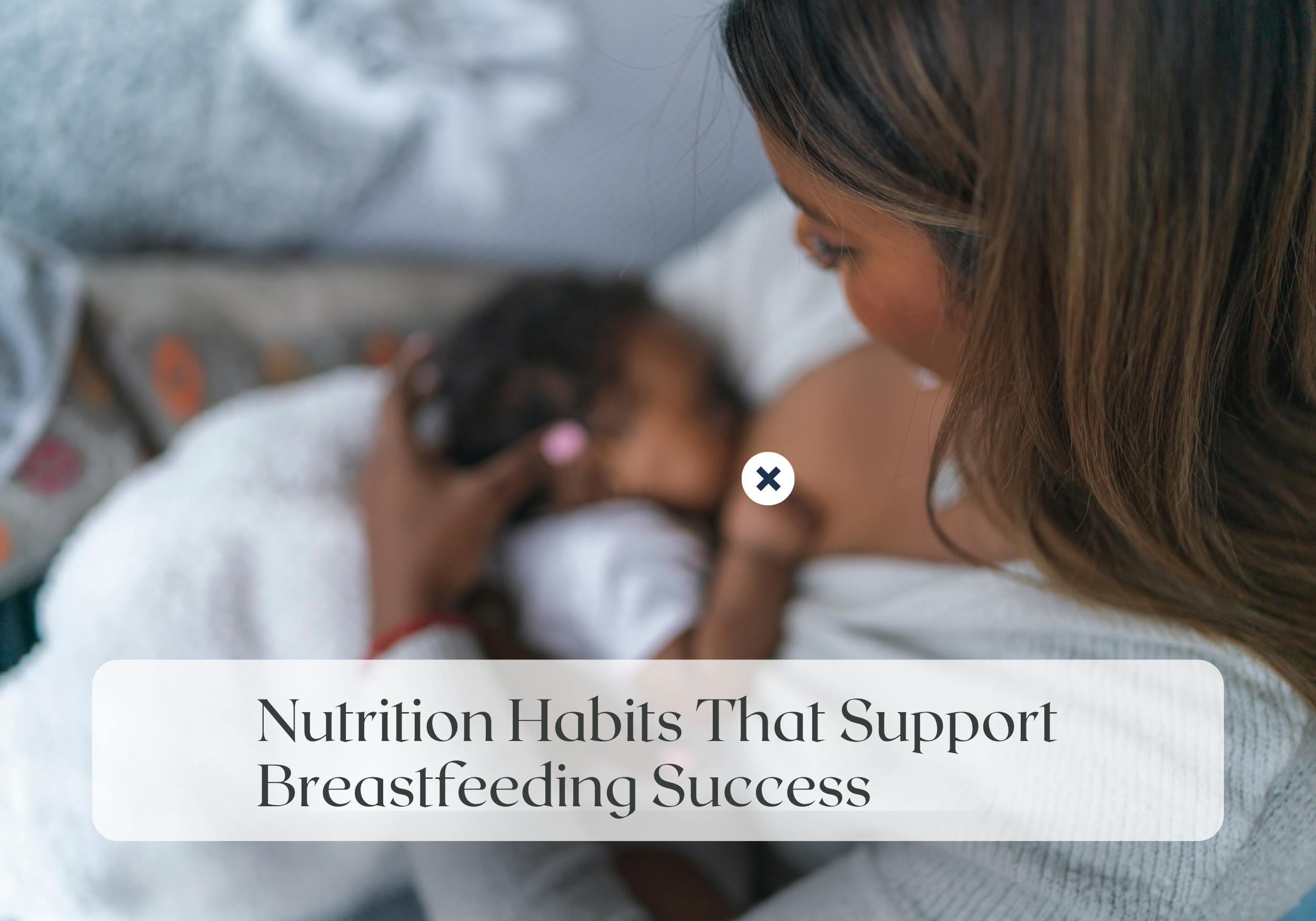
Wellness Wednesday: Nutrition Habits That Support Breastfeeding Success
Breastfeeding nutrition is about more than increasing milk supply. Sleep disruption, recovery demands, hydration, stress, and inconsistent eating can all affect how mothers feel during postpartum life. This article breaks down realistic nutrition habits that support energy, recovery, hydration, and resilience—without restrictive dieting or overwhelming meal prep.
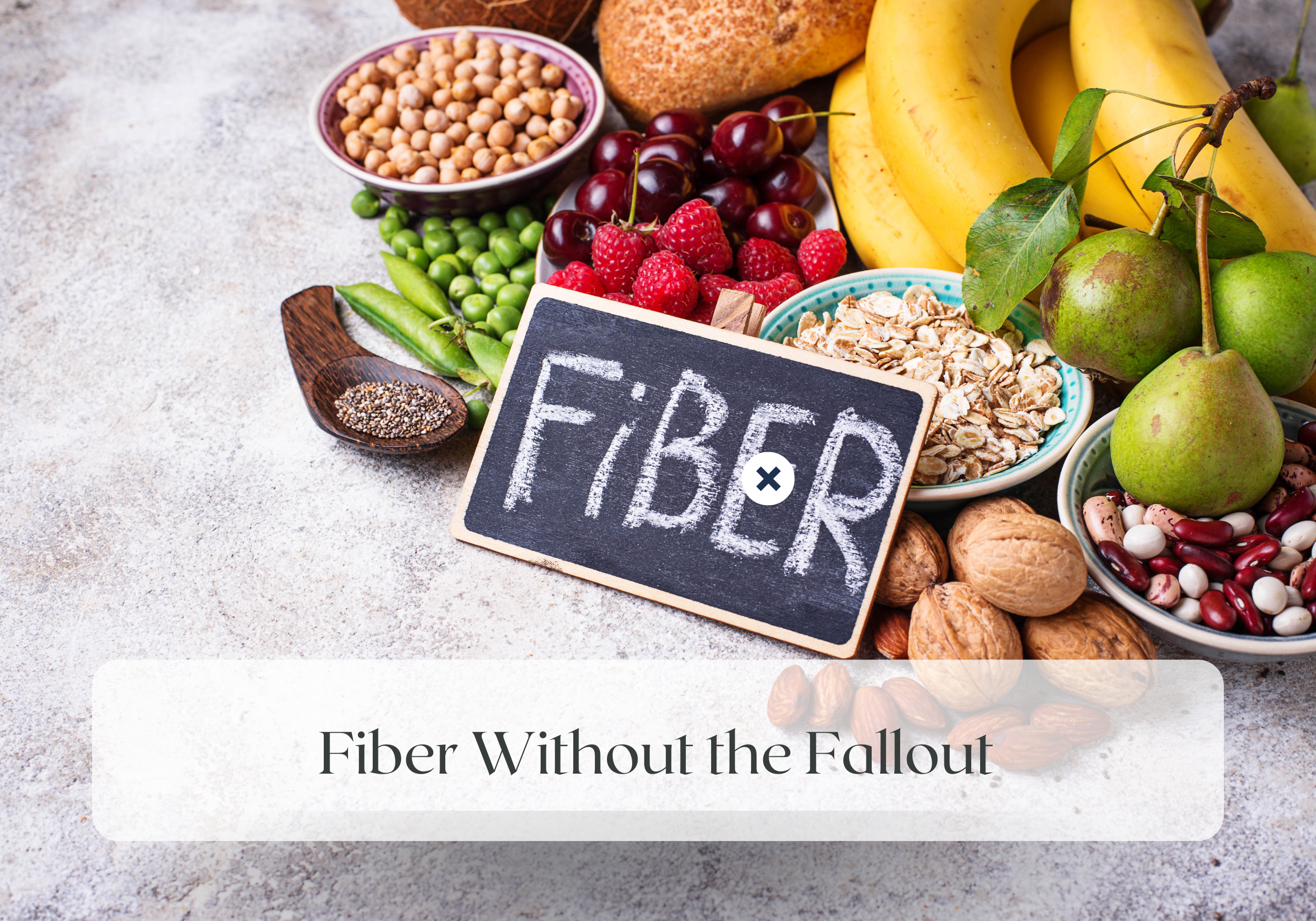
Wellness Wednesday: Fiber Without the Fallout
Adding more fiber to your diet is one of the most effective ways to improve your health—but increasing it too quickly can lead to bloating, discomfort, and digestive issues. This article explains why your body needs time to adjust, how hydration plays a key role, and simple, practical steps to increase fiber gradually while avoiding common pitfalls.

Wellness Wednesday: Recovering from Almond Moms, and Making Sure You Don’t Become One
You might not remember the exact meals, but you probably remember the rules.
“Finish your plate.”
“Do you really need seconds?”
“That’s a lot of carbs.”
For many adults today, those messages didn’t stay at the dinner table — they followed us into our bodies, our choices, and eventually, our parenting. And somewhere along the way, a new fear emerged: What if I become the very voice I’m trying to unlearn?
This article isn’t about blaming parents. It’s about understanding where these patterns come from, how they quietly shape our relationship with food, and how we can heal — for ourselves and for the next generation.

Wellness Wednesday: The 5-4-3-2-1 Grocery Shopping Method
If you ever walk into the grocery store with good intentions and walk out with gaps, duplicates, or meals that don’t fit your week, this method will change everything. The 5-4-3-2-1 framework helps you shop with purpose, make nutrient-dense choices, and build consistency without rigid dieting. It’s meal planning—made simpler.

Wellness Wednesday: The Problem Isn’t a Knowledge Gap
Most people don’t struggle because they don’t know what to eat or how to move—they struggle because life is already overflowing with work, family, and responsibilities. The truth is, you probably know exactly what you should be doing for your health… so why is it still so hard to follow through?
Discover the real reason healthy habits fall apart (hint: it’s not a willpower issue) and find out how the right support and structure can turn “I know what to do” into “I’m finally doing it.”

Wellness Wednesday: How to Build a Sustainable, Healthy Eating Plan Without Dieting
Most people step into January hoping a fresh start will fix their eating habits—but real change rarely comes from a reset. As a dietitian, I’ve seen how small, flexible shifts can transform someone’s relationship with food far more effectively than any diet ever could. What if sustainable eating in 2026 had nothing to do with restriction, calorie counting, or giving up your favorite foods? What if the key was already in your kitchen, your routine, and even your mindset?

Wellness Wednesday: A Morning Routine That Actually Works
Your mornings might be shaping your entire day more than you realize. In this science-backed guide, I break down how movement, mindset rituals, and protein-forward breakfasts actually “train” your brain’s reticular activating system (RAS) to make healthier choices easier—without relying on willpower. If you’ve ever wanted a morning routine that truly works in real life, this is where to start.

Wellness Wednesday: A Compassion-First Guide to Enjoying Food Without Guilt
Holiday eating doesn’t have to be a battlefield.
If you’ve ever left a family gathering feeling uncomfortably full, guilty, or unsure why you ate the way you did, you’re not alone—but there’s a better way.
This compassionate, research-backed guide reveals how to enjoy every seasonal favorite without falling into the all-or-nothing trap.
The secret? It starts before the first bite.

Wellness Wednesday: Raw Milk Risks and Realities
Think raw milk is all natural and harmless? The truth is more complex. From hidden bacteria to minimal nutritional differences, understanding the science behind raw versus pasteurized milk is essential for keeping you and your family safe. Explore the evidence, history, and practical guidance before your next glass.