


Blog

Wellness Wednesday: Recovering from Almond Moms, and Making Sure You Don’t Become One
You might not remember the exact meals, but you probably remember the rules.
“Finish your plate.”
“Do you really need seconds?”
“That’s a lot of carbs.”
For many adults today, those messages didn’t stay at the dinner table — they followed us into our bodies, our choices, and eventually, our parenting. And somewhere along the way, a new fear emerged: What if I become the very voice I’m trying to unlearn?
This article isn’t about blaming parents. It’s about understanding where these patterns come from, how they quietly shape our relationship with food, and how we can heal — for ourselves and for the next generation.

Wellness Wednesday: There Is No Such Thing as Upper and Lower Abs
If you’ve ever been told to “target your lower abs,” felt a deep burn during leg raises, or wondered why crunches don’t seem to touch the bottom of your stomach, you’re not alone. This belief has shaped workout programs, rehab protocols, and social media content for decades. But here’s the truth most people never hear: the idea of upper and lower abs isn’t just misleading—it fundamentally misunderstands how the core works. And that misunderstanding can affect performance, posture, and even pain.

Wellness Wednesday: Understanding the Roots of Health Disparities, and How We Move Forward
Health isn’t just shaped by the choices we make—it’s shaped by the opportunities we’re given. This National Minority Health Month, we’re taking a deeper look at why certain communities face higher rates of preventable disease, how history, environment, and access influence outcomes, and what real health equity actually looks like in practice. From chronic disease and mental health to maternal outcomes and youth well-being, this article connects the dots between science, community, and action—and outlines how individuals, professionals, and systems can move forward together.

Wellness Wednesday: The Science, History, and Real Benefits of Moving More
You’ve heard it everywhere: 10,000 steps a day keeps you healthy. But where did this number come from—and does everyone really need to hit it? Discover the history, the science, and the surprising ways even small bursts of movement can transform your health. From everyday walking to NEAT activities, learn how to make steps count without guilt and why every step forward matters for your body and mind.
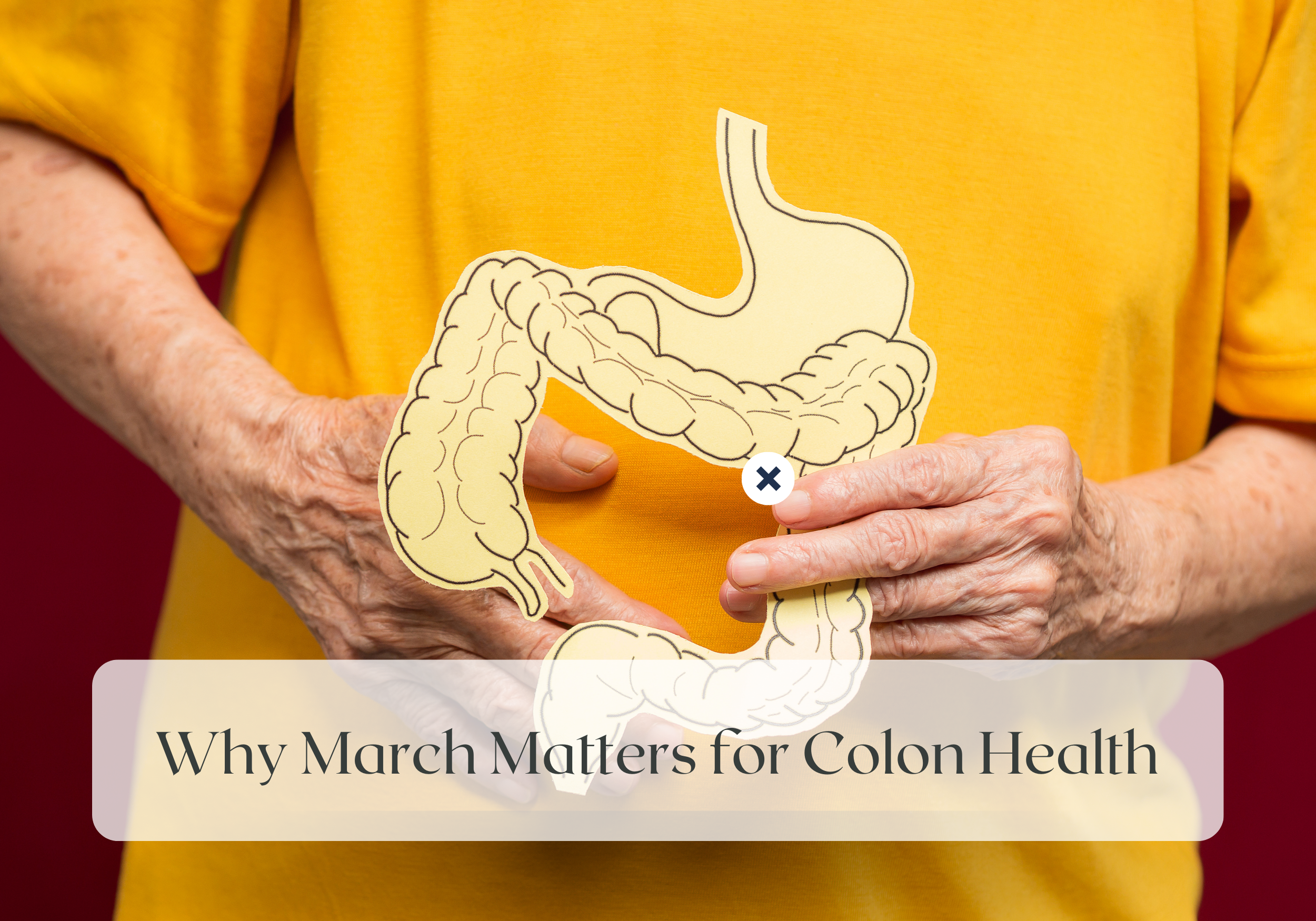
Wellness Wednesday: Why March Matters for Colon Health
March isn’t just another awareness month—it’s a critical reminder of how everyday nutrition choices, access to care, and early screening intersect to protect colon health. With colorectal cancer rates rising in younger adults and persistent disparities in prevention and detection, this is the moment to connect the dots between what’s on our plate, what we can control, and when to get screened. This article breaks down the science-backed nutrition–gut health connection, clarifies real risk factors, and explains why small, consistent actions taken now can make a measurable difference—this month and beyond.

Wellness Wednesday: How Your Zip Code, Income, and Environment Shape Your Health
Most of us know the basics of healthy living — eat well, move more, sleep enough. But what if I told you that your environment, income, education, and community access often shape your health more than your choices? In this article, we break down the social determinants of health, reveal how they affect outcomes across neighborhoods and demographics, and show practical ways you — as an individual, coach, or community leader — can level the playing field to support lasting wellness.

Wellness Wednesday: Why Kidney Health Deserves More Attention Than It Gets
Your kidneys work around the clock—filtering waste, balancing fluids, supporting blood pressure, and protecting long-term health—yet most people don’t think about them until something goes wrong. Kidney disease often develops silently, with few early warning signs, and disproportionately affects certain communities. In recognition of National Kidney Month, this article breaks down how your kidneys function, who is most at risk, why early screening matters, and how prevention, education, and community advocacy can change outcomes. If you’ve never been told to think about your kidney health, this is the conversation you didn’t know you needed.

Wellness Wednesday: The 5-4-3-2-1 Grocery Shopping Method
If you ever walk into the grocery store with good intentions and walk out with gaps, duplicates, or meals that don’t fit your week, this method will change everything. The 5-4-3-2-1 framework helps you shop with purpose, make nutrient-dense choices, and build consistency without rigid dieting. It’s meal planning—made simpler.
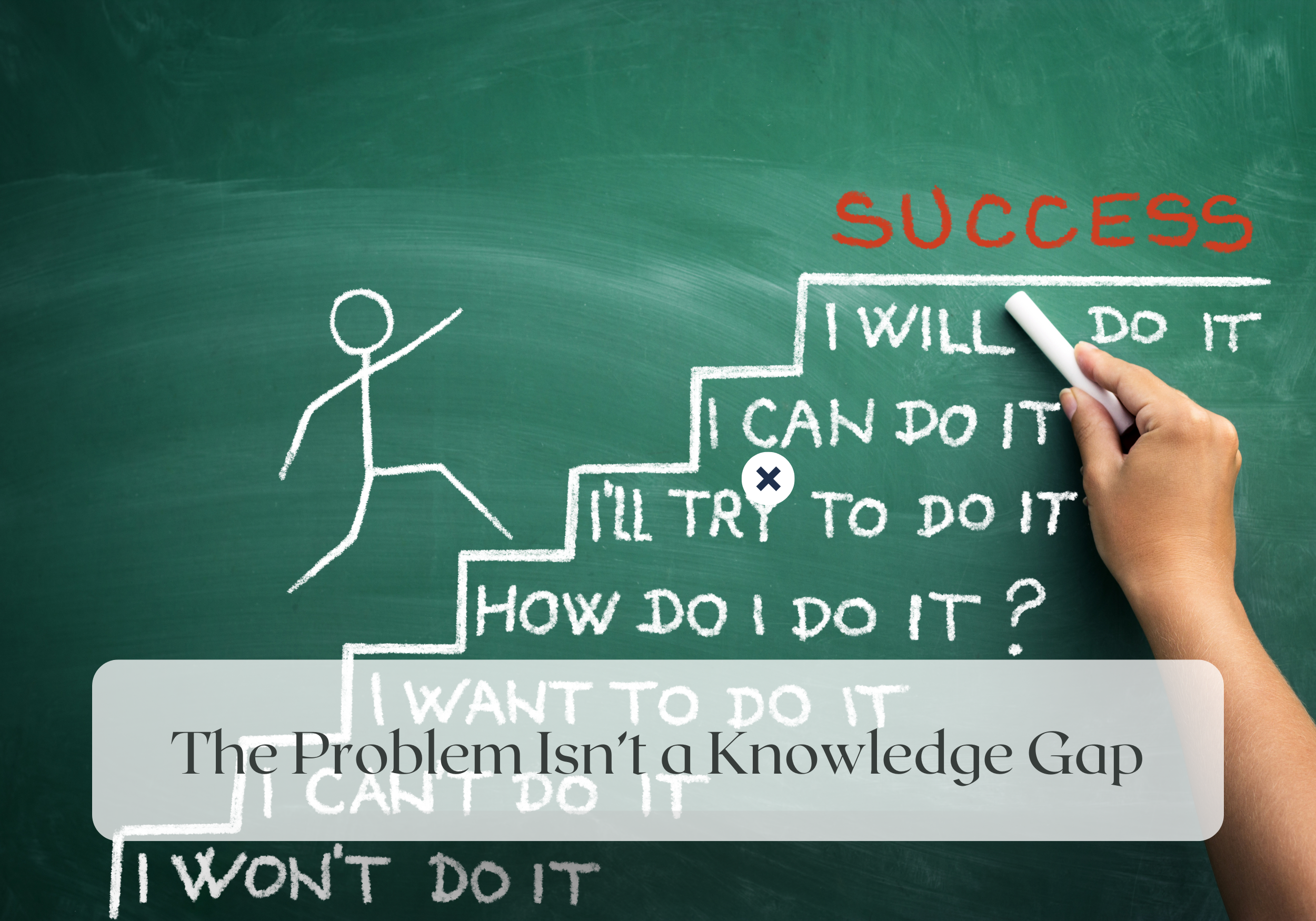
Wellness Wednesday: The Problem Isn’t a Knowledge Gap
Most people don’t struggle because they don’t know what to eat or how to move—they struggle because life is already overflowing with work, family, and responsibilities. The truth is, you probably know exactly what you should be doing for your health… so why is it still so hard to follow through?
Discover the real reason healthy habits fall apart (hint: it’s not a willpower issue) and find out how the right support and structure can turn “I know what to do” into “I’m finally doing it.”
Wellness Wednesday: Cancer Prevention, Screening, and Early Detection
Most people know the basics of staying healthy—eat well, move more, get screened. But when it comes to cancer prevention, the gap between knowing and actually doing might matter more than anything else. For Cancer Prevention Month, we’re breaking down the real science of risk reduction, the screenings that save lives, and the surprising ways lifestyle patterns, environment, and community factors shape your long-term health. Plus, we uncover who’s most affected by screening gaps and what every person can do—starting this week—to protect their future.