


Blog

Wellness Wednesday: What Science Actually Says About Fasted Cardio
Fasted cardio is one of the most debated topics in fitness—but does it actually lead to more fat loss? This article breaks down the science behind training on an empty stomach, separating what happens during a workout from what drives real results over time. If you’ve ever wondered whether fasted cardio, black coffee, or morning workouts give you an edge, this guide will give you clear, evidence-based answers.
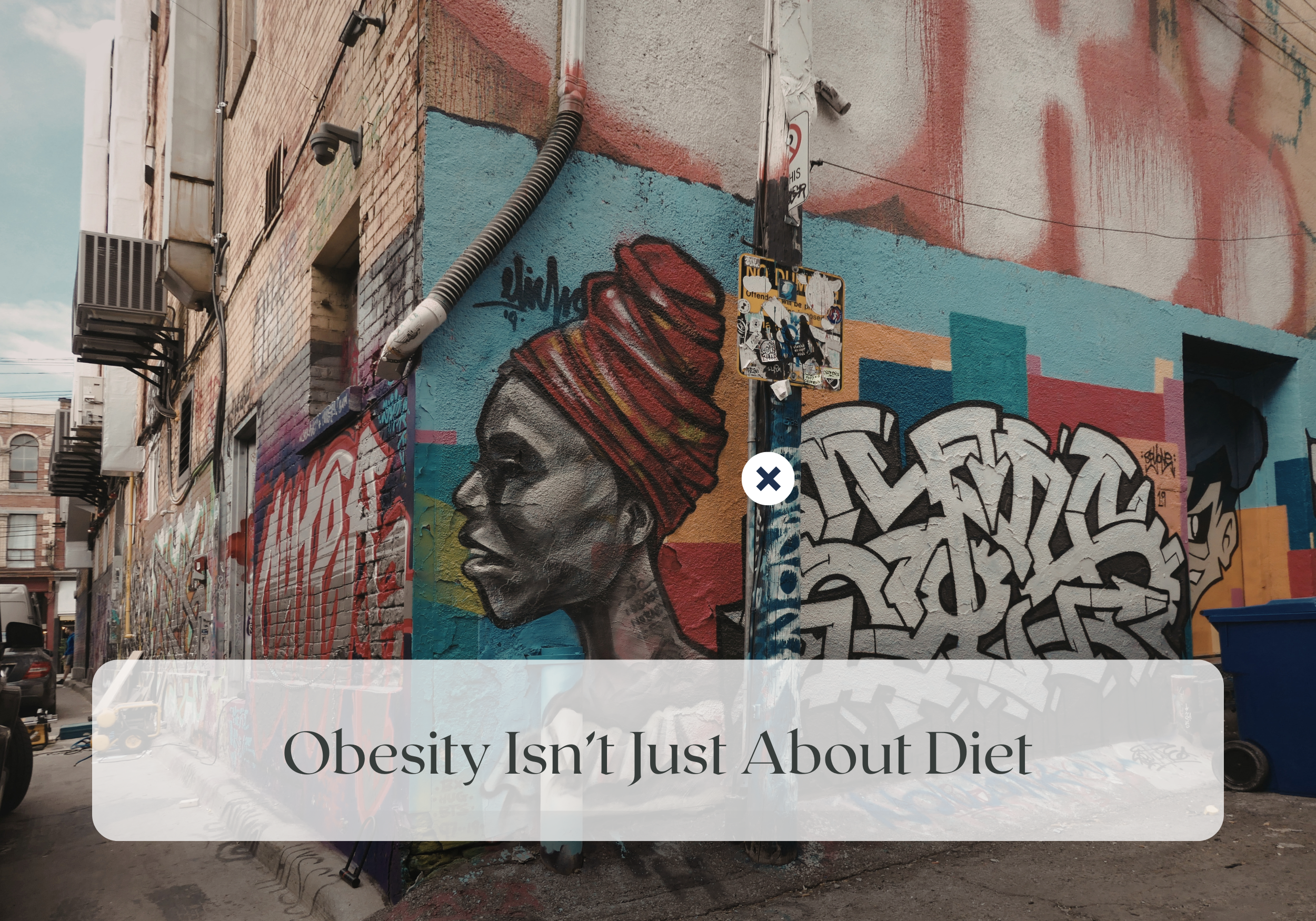
Wellness Wednesday: Obesity Isn’t Just About Diet
Weight and health are often reduced to simple choices—but the reality is far more complex. From food access and marketing to stress and healthcare bias, this article explores the deeper factors shaping obesity in minority communities and offers practical, realistic strategies for improving health within real-world conditions.
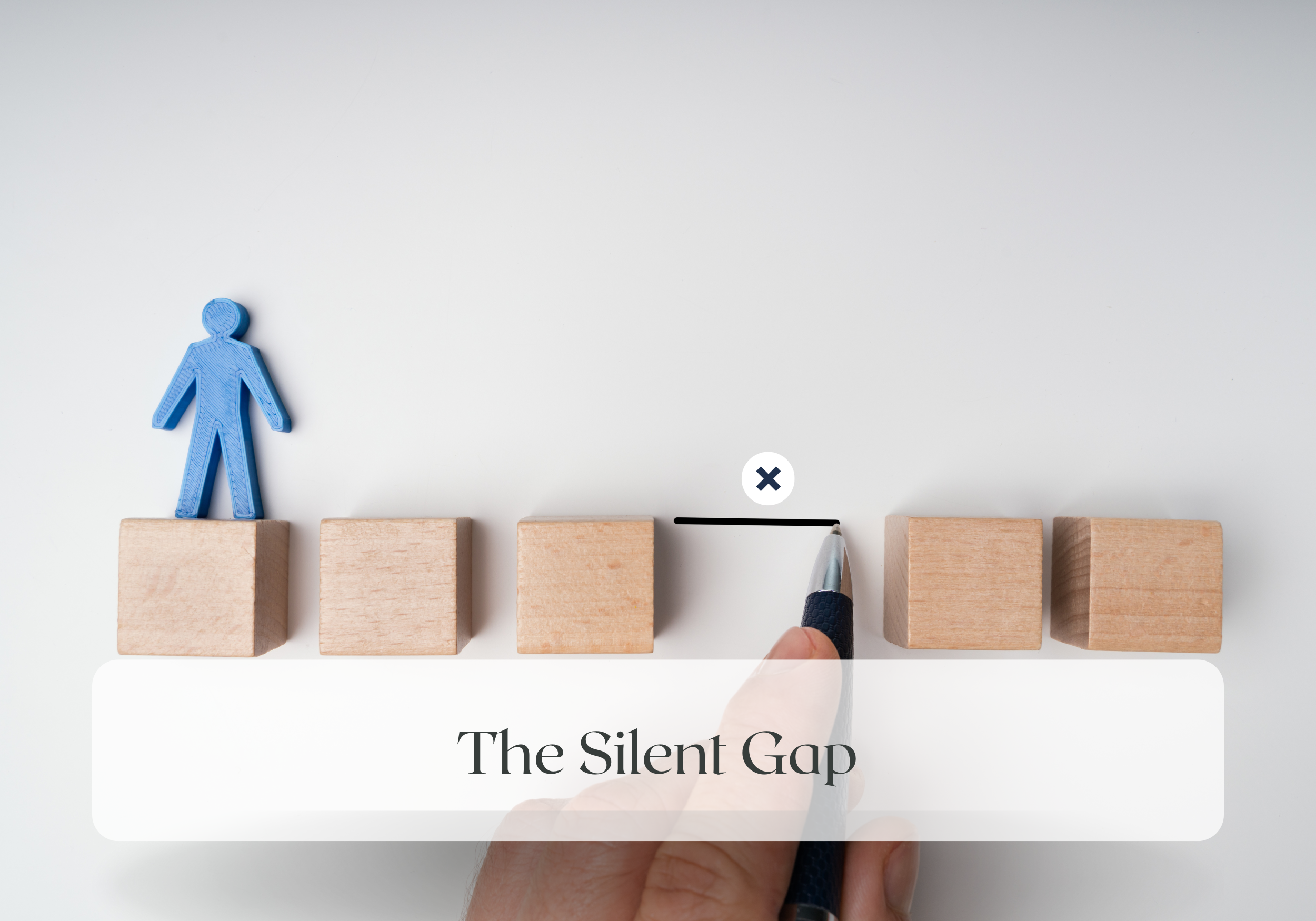
Wellness Wednesday: The Silent Gap
Mental health conversations have grown louder—but for many minority communities, access to care remains limited. This article explores the structural and cultural barriers that keep mental health untreated, and offers practical steps to find support that feels accessible, relevant, and culturally aligned.

Wellness Wednesday: What’s Happening in the Brain, and Why It Matters
Alzheimer’s isn’t just about memory loss—it’s about what’s happening deep inside the brain long before symptoms appear. This article breaks down plaques, tangles, and neurodegeneration in a clear, accessible way, helping you understand how the disease develops and why early awareness matters.

Wellness Wednesday: The Epidemic No One Talks About, Loneliness in Men
Loneliness in men often goes unnoticed—not because it isn’t there, but because it doesn’t get talked about. This article explores why male friendships weaken over time, how loneliness impacts mental and physical health, and practical ways to rebuild meaningful connection. Understanding this hidden epidemic may change how we think about men’s health entirely.
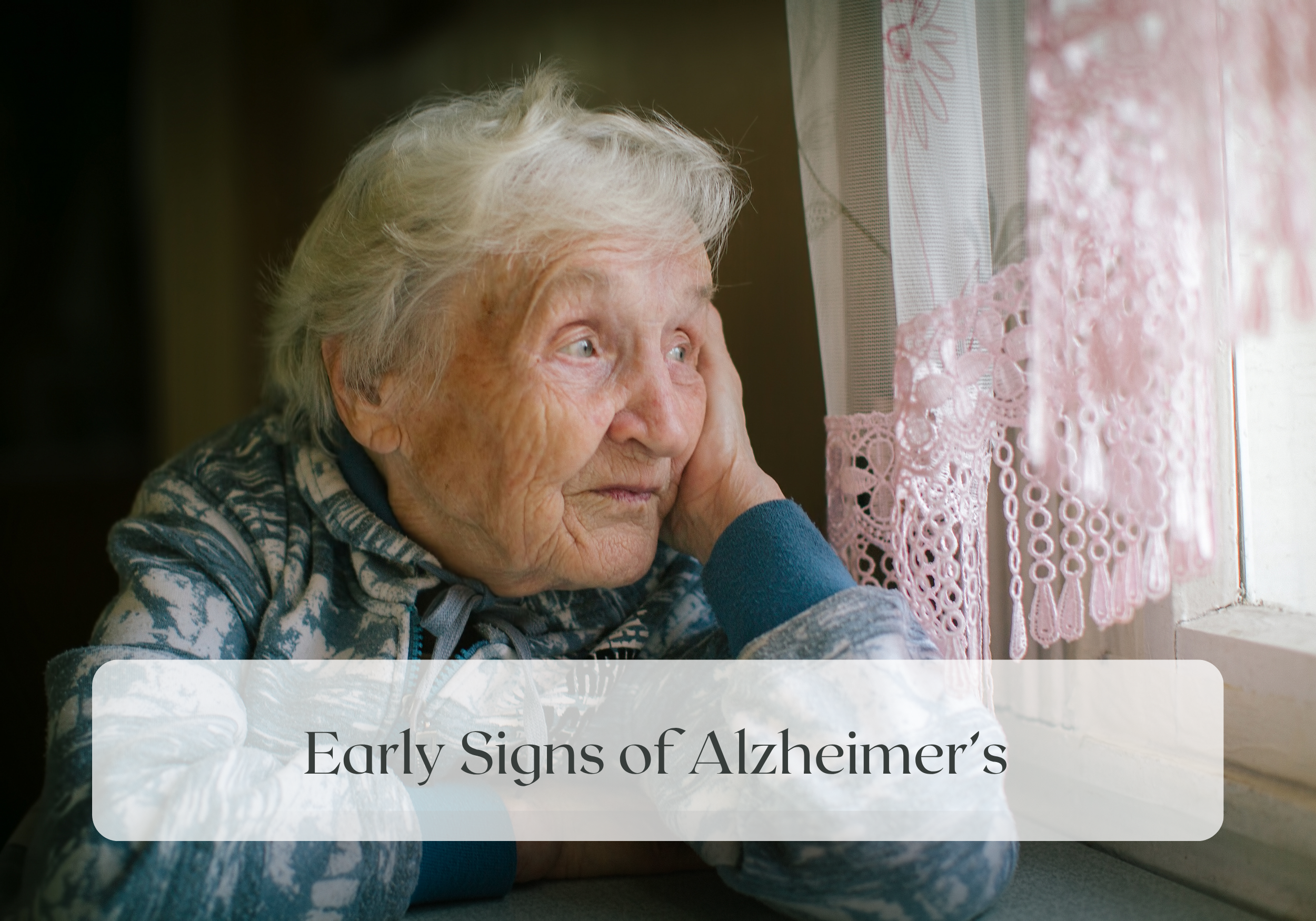
Wellness Wednesday: Early Signs of Alzheimer’s
Forgetting a name or misplacing your keys is often part of normal aging—but when does it signal something more serious? This article breaks down the early signs of Alzheimer’s, how they differ from typical memory changes, and when it’s time to seek medical guidance. Understanding these patterns could make all the difference in early detection and long-term brain health.
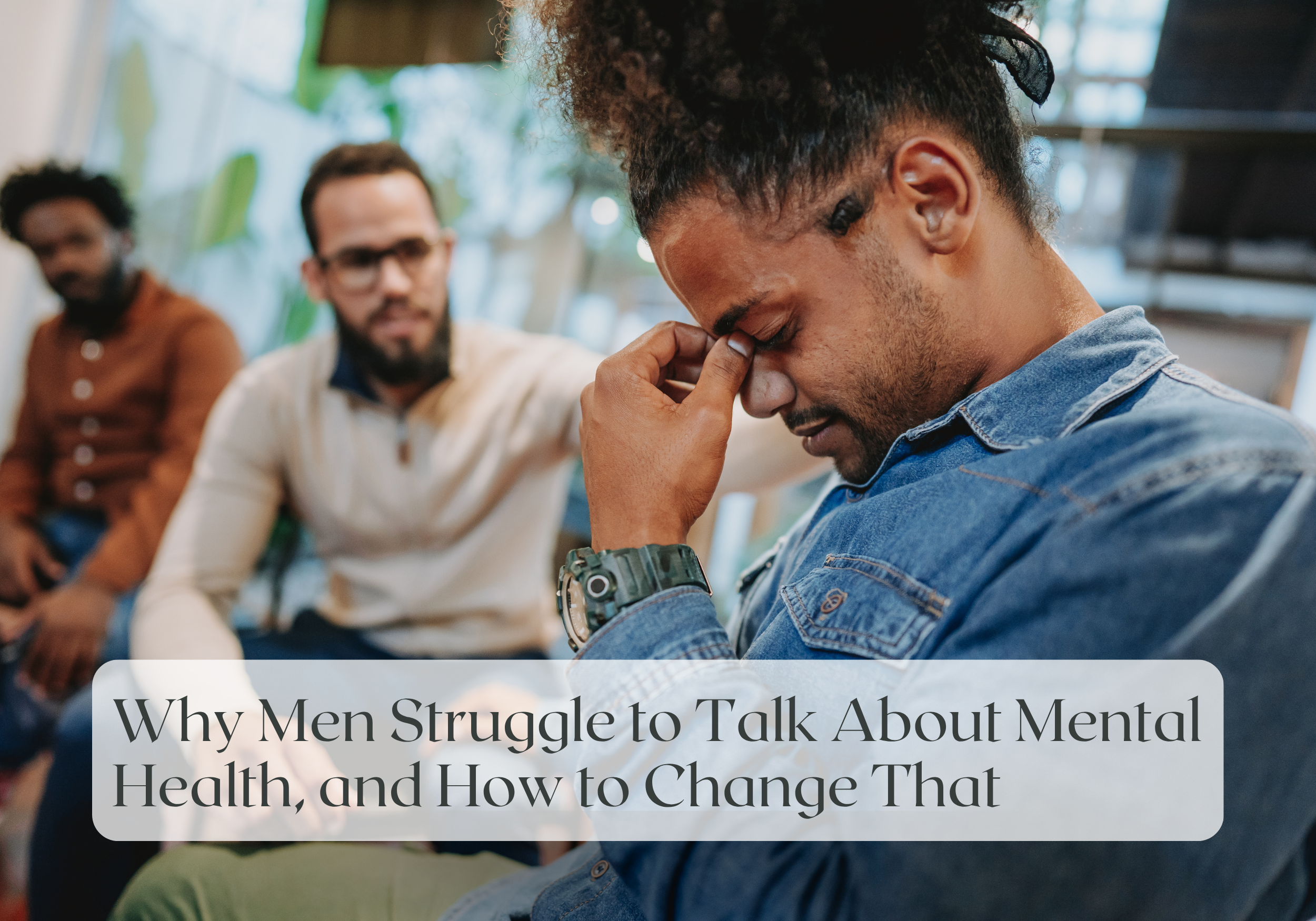
Wellness Wednesday: Why Men Struggle to Talk About Mental Health, and How to Change That
Many men aren’t avoiding mental health conversations—they were never taught how to have them. This article breaks down the real reasons men struggle to open up, especially within cultural and societal expectations, and provides practical, structured ways to start the conversation. Understanding this shift could change not just individual well-being, but entire communities.
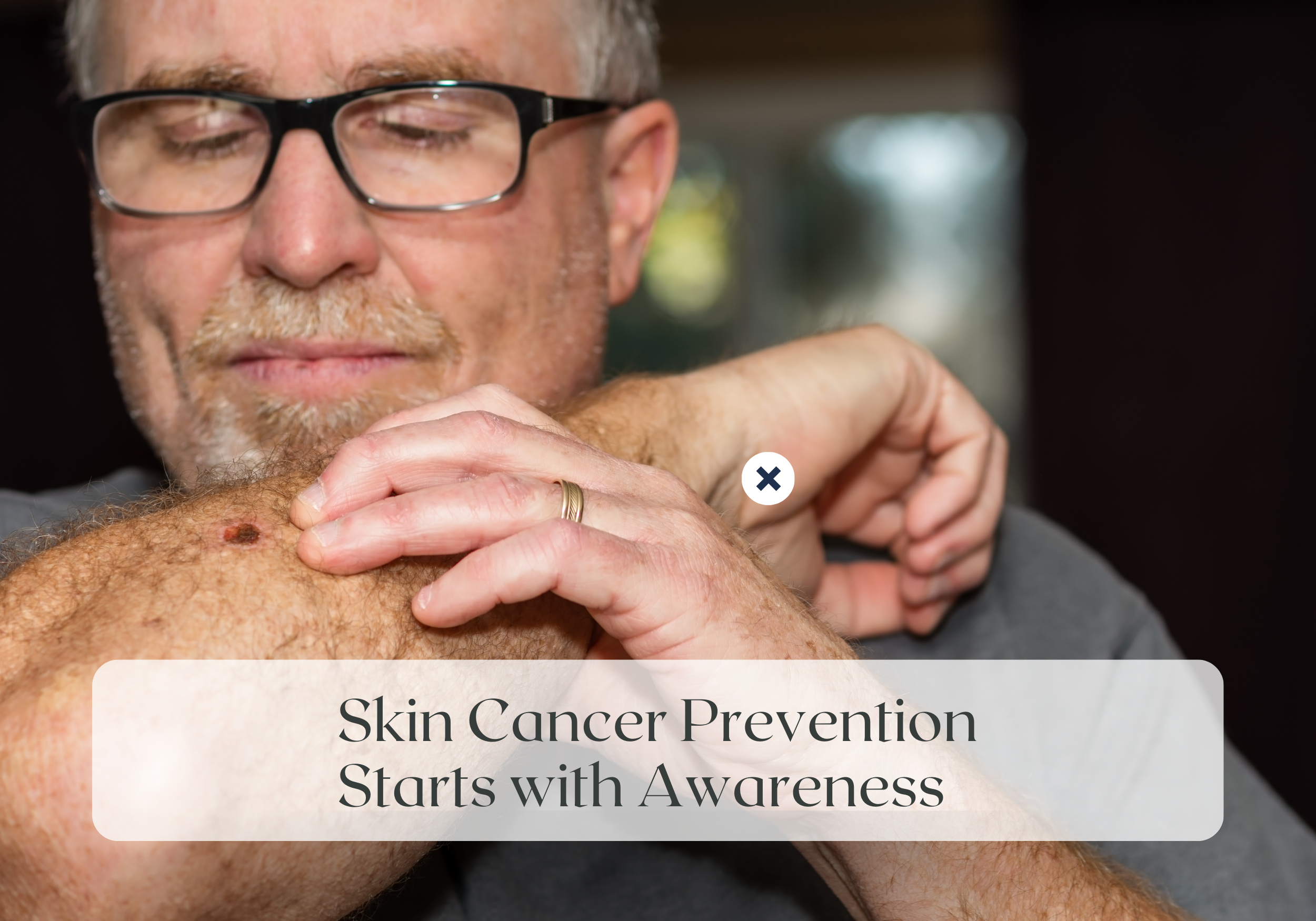
Wellness Wednesday: Skin Cancer Prevention Starts with Awareness
Skin cancer is one of the most common cancers in the world—but it is also one of the most preventable. Simple habits like wearing sunscreen, checking your skin regularly, and protecting yourself from excessive sun exposure can dramatically reduce your risk. This guide explains how skin cancer develops, what warning signs to watch for, and the small daily steps that could truly save your life.
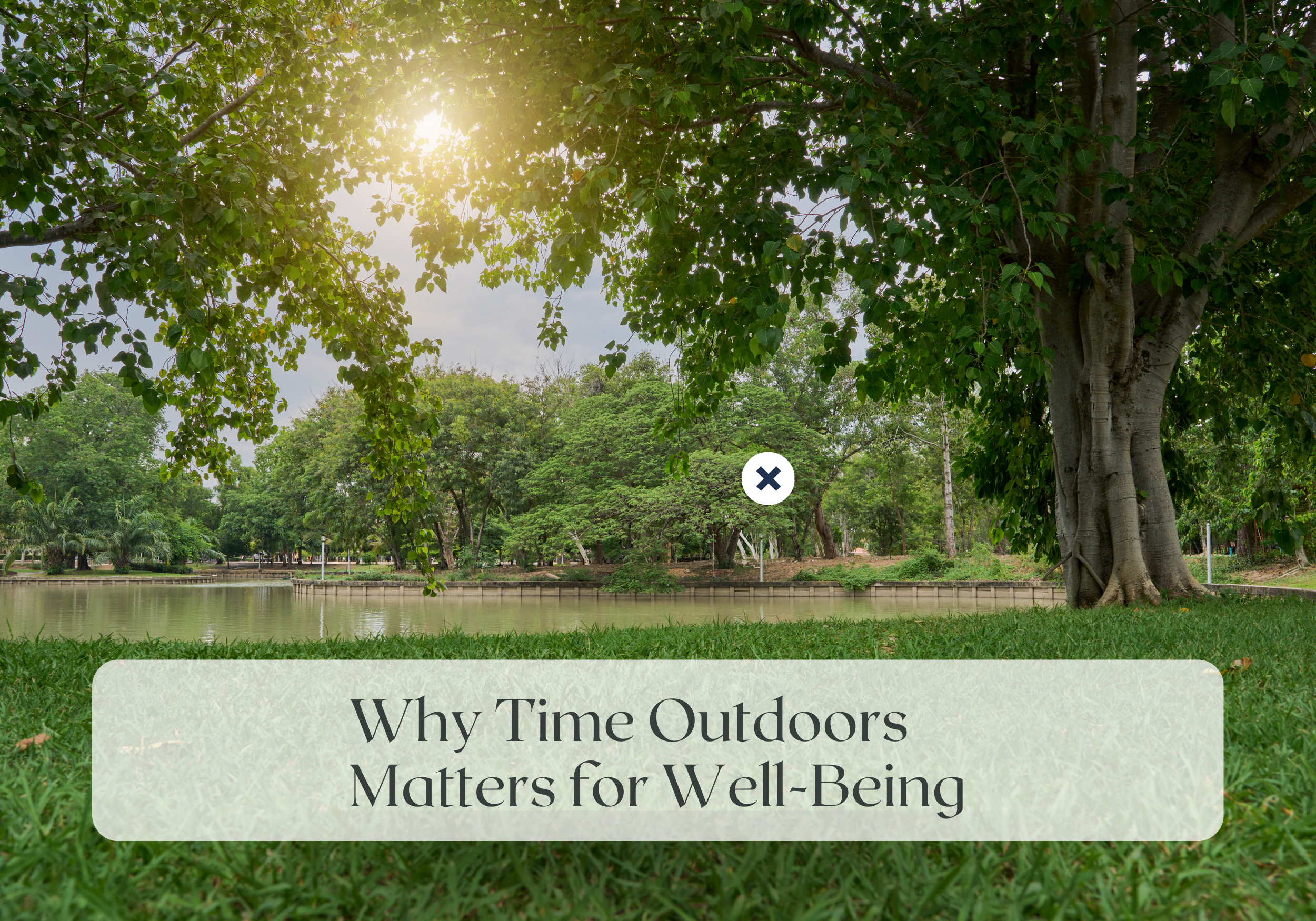
Wellness Wednesday: Why Time Outdoors Matters for Well-Being
In a world where many people spend most of their time indoors and connected to screens, something as simple as stepping outside may have powerful effects on mental health. Research shows that parks, forests, and even small neighborhood green spaces can reduce stress, improve mood, and restore mental focus. This article explores the science behind why time in nature matters—and how even small moments outdoors can support emotional well-being.

Wellness Wednesday: Understanding the BRCA1 Gene and What It Means for Women’s Health
Most women have heard of the BRCA gene, but far fewer understand what it actually does or why it matters. This guide breaks down the science behind the BRCA1 mutation, how it affects cancer risk, and why knowing your family history can play a powerful role in preventive healthcare. Understanding this genetic link may help you make more informed decisions about screening, testing, and long-term health.