


Blog
Wellness Wednesday: Why Consistency Beats Perfection Every Time
You don’t need perfect workouts or flawless discipline to make progress. In fact, one of the biggest reasons people fall off track is believing that anything less than “all in” doesn’t count. This article explores why avoiding 0% weeks may be one of the most important mindset shifts for long-term health, fitness, and sustainable consistency.

Wellness Wednesday: How Vaccines Work — And How They Changed Public Health Forever
Vaccines have helped reshape global public health by reducing the spread of infectious disease and protecting vulnerable populations—but many people still don’t fully understand how they work. This article breaks down vaccine science, immune memory, herd immunity, and the history of vaccination in a clear, evidence-based way designed to improve health literacy without overwhelming medical jargon.
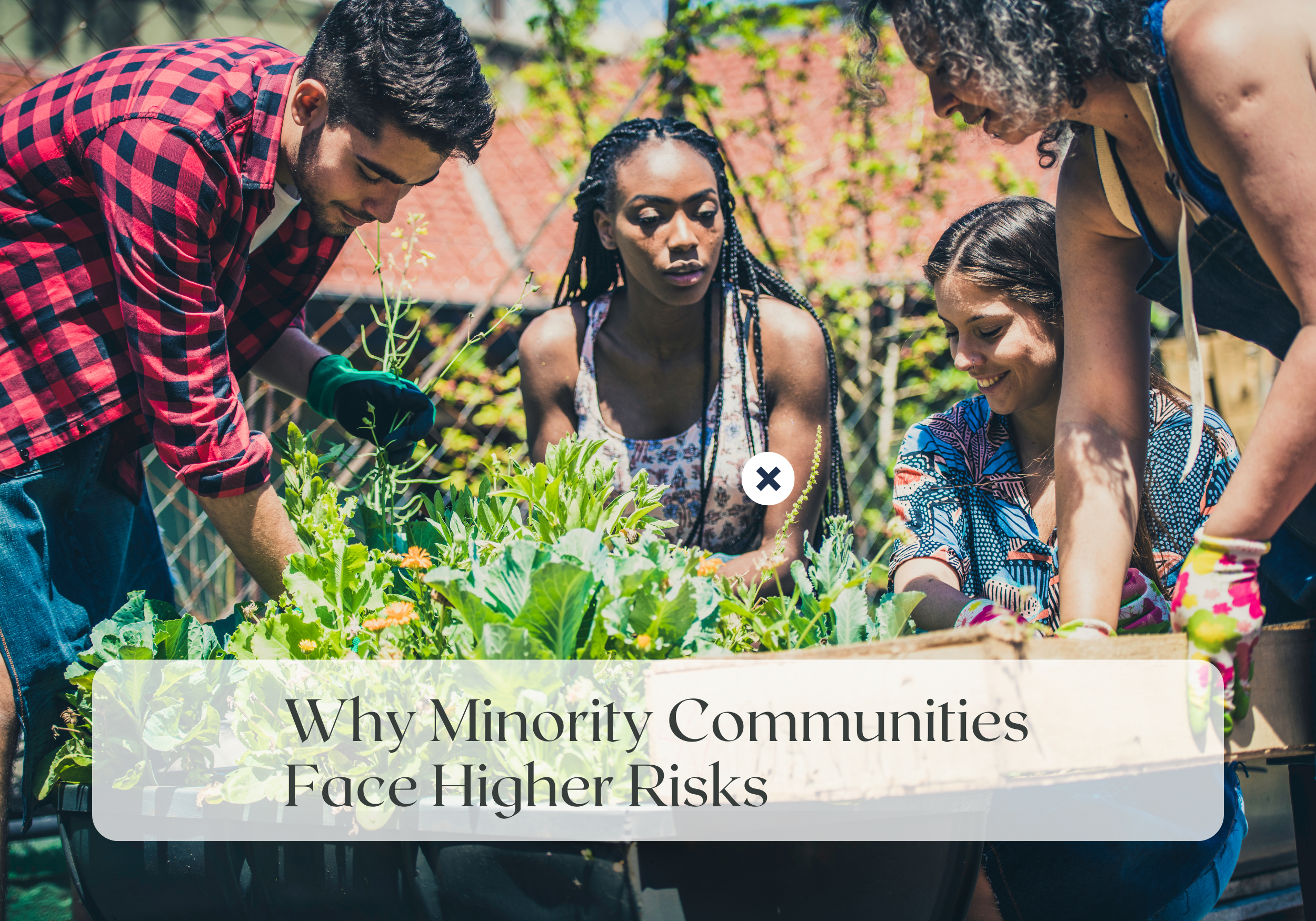
Wellness Wednesday: Why Minority Communities Face Higher Risks
Chronic diseases like diabetes, hypertension, and heart disease don’t affect all communities equally. This article breaks down the data behind these disparities, explores the environmental and systemic factors driving them, and provides practical strategies—including a preventive screening checklist—to help reduce risk and support long-term health.

Wellness Wednesday: Obesity Isn’t Just About Diet
Weight and health are often reduced to simple choices—but the reality is far more complex. From food access and marketing to stress and healthcare bias, this article explores the deeper factors shaping obesity in minority communities and offers practical, realistic strategies for improving health within real-world conditions.

Wellness Wednesday: The Silent Gap
Mental health conversations have grown louder—but for many minority communities, access to care remains limited. This article explores the structural and cultural barriers that keep mental health untreated, and offers practical steps to find support that feels accessible, relevant, and culturally aligned.

Wellness Wednesday: What’s Happening in the Brain, and Why It Matters
Alzheimer’s isn’t just about memory loss—it’s about what’s happening deep inside the brain long before symptoms appear. This article breaks down plaques, tangles, and neurodegeneration in a clear, accessible way, helping you understand how the disease develops and why early awareness matters.
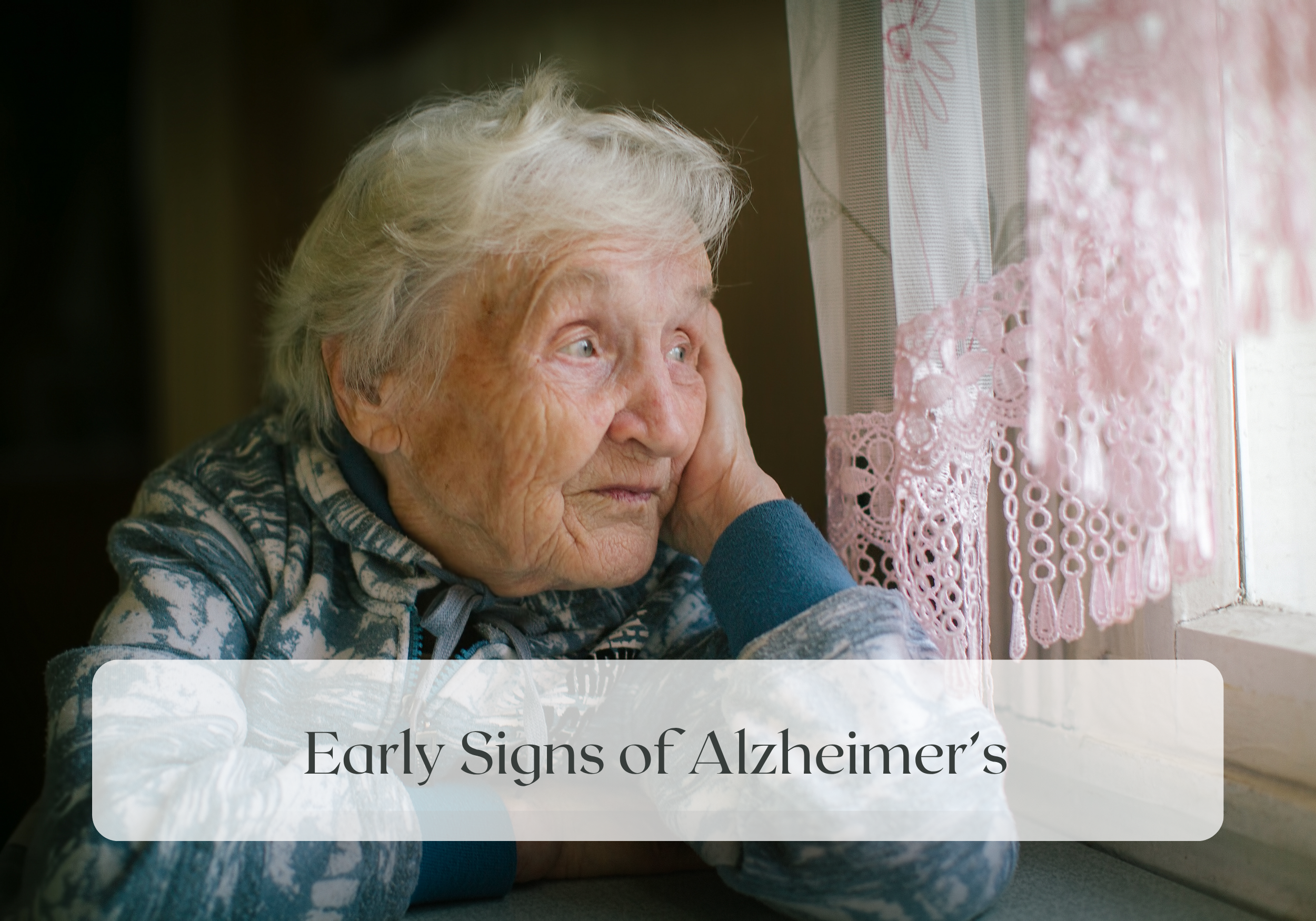
Wellness Wednesday: Early Signs of Alzheimer’s
Forgetting a name or misplacing your keys is often part of normal aging—but when does it signal something more serious? This article breaks down the early signs of Alzheimer’s, how they differ from typical memory changes, and when it’s time to seek medical guidance. Understanding these patterns could make all the difference in early detection and long-term brain health.
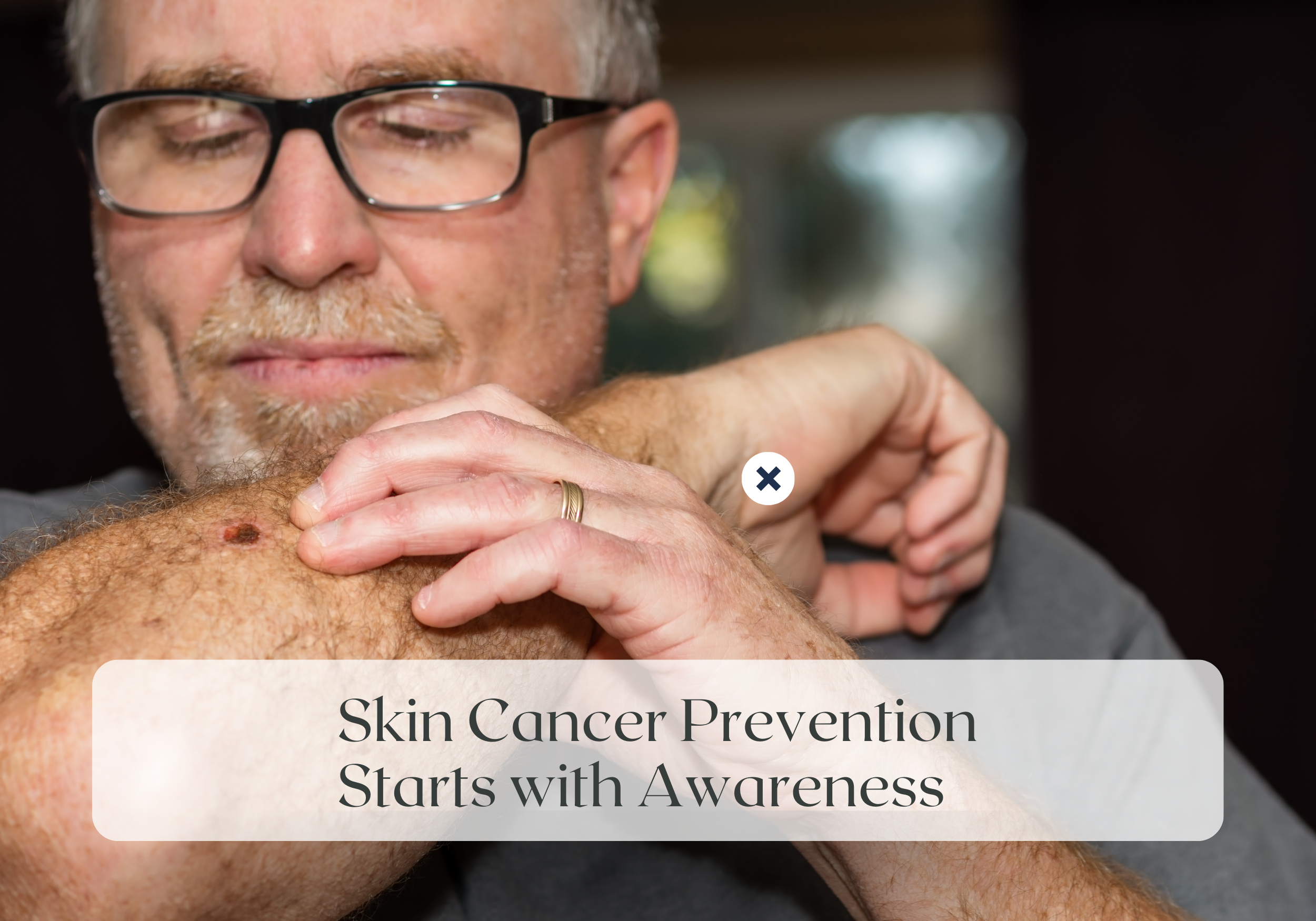
Wellness Wednesday: Skin Cancer Prevention Starts with Awareness
Skin cancer is one of the most common cancers in the world—but it is also one of the most preventable. Simple habits like wearing sunscreen, checking your skin regularly, and protecting yourself from excessive sun exposure can dramatically reduce your risk. This guide explains how skin cancer develops, what warning signs to watch for, and the small daily steps that could truly save your life.

Wellness Wednesday: Understanding the Roots of Health Disparities, and How We Move Forward
Health isn’t just shaped by the choices we make—it’s shaped by the opportunities we’re given. This National Minority Health Month, we’re taking a deeper look at why certain communities face higher rates of preventable disease, how history, environment, and access influence outcomes, and what real health equity actually looks like in practice. From chronic disease and mental health to maternal outcomes and youth well-being, this article connects the dots between science, community, and action—and outlines how individuals, professionals, and systems can move forward together.

Wellness Wednesday: Why March Matters for Colon Health
March isn’t just another awareness month—it’s a critical reminder of how everyday nutrition choices, access to care, and early screening intersect to protect colon health. With colorectal cancer rates rising in younger adults and persistent disparities in prevention and detection, this is the moment to connect the dots between what’s on our plate, what we can control, and when to get screened. This article breaks down the science-backed nutrition–gut health connection, clarifies real risk factors, and explains why small, consistent actions taken now can make a measurable difference—this month and beyond.